
In the chaotic world of modern warfare, navigating the battlefield hazard zone is like trying to dance in a minefield—literally. Soldiers face not only enemy fire but also an array of hidden dangers that can turn the most skilled combatant into a human pancake in seconds. Understanding these perilous zones isn’t just for the thrill-seekers; it’s essential for survival.
Overview of Battlefield Hazard Zone
The battlefield hazard zone encompasses areas where soldiers face extreme risks from various threats. Hidden explosives, enemy fire, and environmental dangers often characterize these zones. Understanding these hazards becomes crucial for tactical planning and operational success.
Personnel must identify potential risks, including improvised explosive devices (IEDs), toxic chemical agents, and terrain hazards. Knowledge of these threats enables effective risk mitigation strategies. Soldiers with training in hazard recognition demonstrate improved survival rates in perilous environments.
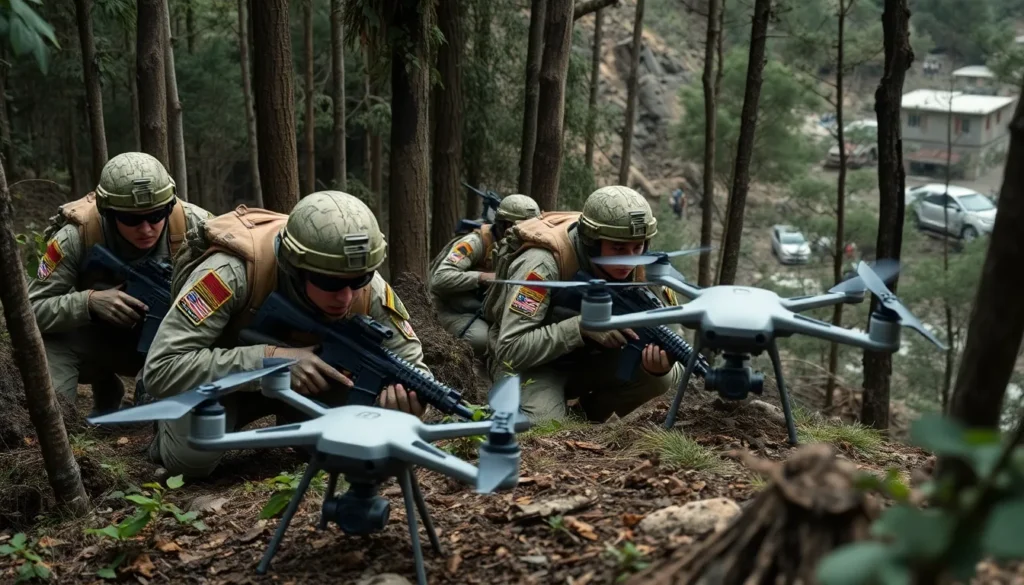
Technology plays a significant role in assessing battlefield hazard zones. Advanced surveillance systems help in detecting hidden threats. Drones equipped with sensors provide real-time information, enhancing situational awareness and facilitating informed decision-making.
In-depth terrain analysis also contributes to hazard zone management. Maps highlighting areas of concern allow for strategic movements, reducing exposure to risks. Evaluating weather conditions further aids in understanding how they impact battlefield dynamics.
Coordination among units and command structures remains vital in navigating hazardous zones. Effective communication ensures all team members are aware of potential dangers. Strategies must adapt continuously in response to changing battlefield conditions.
Military organizations regularly conduct training exercises that simulate hazardous environments. These initiatives prepare soldiers to confront real-world dangers effectively. Preparing for multiple scenarios enhances adaptability, ensuring that personnel remain responsive during operations.
Importance of Understanding Hazard Zones
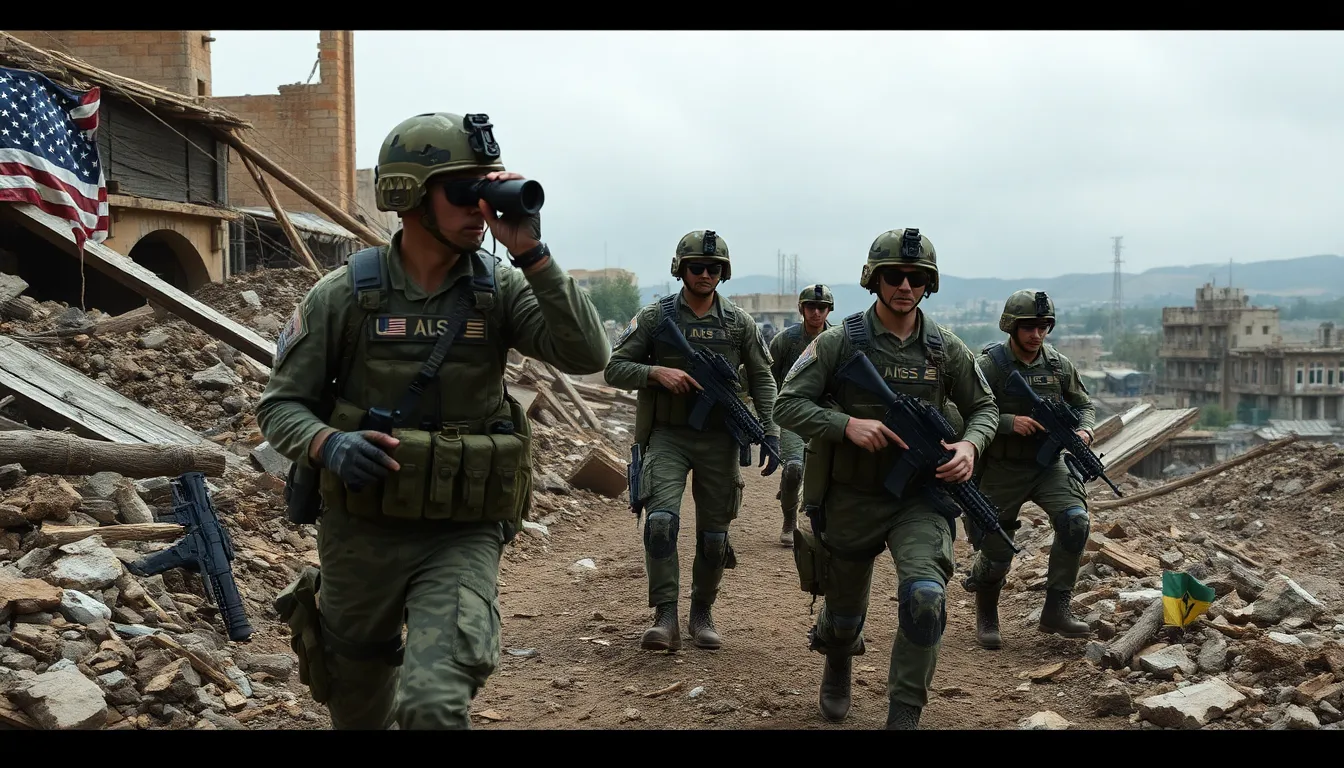
Understanding hazard zones plays a critical role in ensuring the safety and effectiveness of military operations. Knowledge of these zones allows personnel to navigate dangerous environments with enhanced awareness.
Types of Hazards
Numerous hazards threaten safe operations. Explosive devices such as IEDs present significant risks, hidden along pathways and residential areas. Chemical agents introduce toxic threats in certain terrains, requiring specialized protective gear. Environmental conditions like extreme weather create unpredictable challenges that can impact visibility and safety. Additionally, enemy fire remains a constant danger in conflict zones, necessitating strategic planning and movement. Recognizing the variety of hazards enables effective risk assessment and response.
Impact on Operations
Hazard zones significantly influence military operations. Increased risks lead to heightened caution during missions, potentially slowing down movement. Situational awareness becomes vital, as soldiers must adapt to evolving threats. Effective communication between units fosters coordination, enabling quicker decision-making under pressure. Furthermore, training exercises simulate real-world dangers, enhancing readiness. The proper understanding of these zones directly correlates with mission success, emphasizing the importance of ongoing education and situational analysis.
Key Features of Battlefield Hazard Zone
Understanding the battlefield hazard zone involves multiple critical features that influence military operations. Geographic considerations and technological tools play significant roles in navigating these dangerous environments.
Geographic Considerations
Geographical features impact hazard assessments directly. Different terrains, such as urban landscapes and dense forests, present unique challenges. Specific elevation levels may hide threats like IEDs. Additionally, natural barriers can hinder movement or conceal enemy positions. Weather conditions also factor into risks, influencing visibility and terrain stability. In areas prone to landslides or flooding, situational assessments must prioritize safety to ensure operational effectiveness. Terrain analysis, therefore, remains vital for identifying potential dangers and adjusting strategies accordingly.
Technological Tools
Technological tools serve critical functions in managing battlefield hazard zones. Advanced surveillance systems offer real-time intelligence, enhancing situational awareness. Drones equipped with sensors allow personnel to assess high-risk areas from a safe distance. Utilizing communication devices ensures continuous information flow among units, enabling quick decision-making. Software platforms provide analytical support, integrating data from various sources for comprehensive threat assessments. Adoption of these tools enhances the capability to identify and mitigate risks effectively, thus increasing the chances of mission success.
Strategies for Navigating Hazard Zones
Navigating hazardous battlefield zones requires strategic methods to minimize risks effectively. Utilizing comprehensive techniques ensures personnel stay safe and mission-ready.
Risk Assessment Techniques
Evaluating potential dangers is essential for navigating hazard zones. Personnel employ various risk assessment techniques to identify threats, including real-time surveillance and detailed terrain analysis. Mapping likely hazard locations helps plan safe routes. Advanced technologies, such as drones, provide aerial reconnaissance, offering insights into enemy positions and explosive devices. Personnel can further utilize simulation tools to predict hazardous scenarios during training. Through continual assessment and updated intelligence, units enhance preparedness and adapt strategies on-site.
Effective Communication
Clear communication significantly impacts success in hazardous environments. Establishing robust channels among units aids quick information sharing, ensuring soldiers stay informed about potential threats. Using encrypted communication systems prevents enemy interception and maintains operational security. Regular briefings before missions reinforce situational awareness, highlighting specific hazards identified in the area. Personnel also implement standardized language in communications to minimize misunderstandings. Training teams to communicate effectively under pressure boosts coordination and enhances overall mission effectiveness.
Navigating battlefield hazard zones is an intricate challenge that demands a blend of skills and technology. The risks presented by hidden explosives and environmental threats require soldiers to remain vigilant and adaptable. By leveraging advanced surveillance and thorough terrain analysis, military personnel can enhance their situational awareness and make informed decisions.
Effective communication and coordination among units are essential in these perilous environments. Continuous training ensures that soldiers are prepared for real-world scenarios, allowing them to respond swiftly to emerging threats. Understanding the dynamics of hazard zones not only safeguards lives but also significantly contributes to operational success in modern warfare.


